
For most of their lives, men don’t think twice about using the bathroom. It’s routine, fast, and private. Urination problems in aging men can quietly become one of the most difficult parts of daily life.
Urination problems in aging men often show up long before anyone labels them as a “problem.” A missed stream. A damp floor. A stronger smell in the bathroom that never fully goes away. Over time, these small issues pile up and affect hygiene, safety, confidence, and independence.
This is exactly the gap that Urifunnel was created to address. Not by medicalizing the bathroom, but by acknowledging a simple truth: aging bodies and standard toilets don’t always work well together.
To understand why this matters, we need to look closely at what actually happens when men age and try to urinate safely and cleanly, whether at home or in a care setting.
When people hear this phrase, they often think only of incontinence. But for many older men, the issue isn’t loss of bladder control. It’s loss of control over aim, stability, and positioning.
Common contributors include:
A man may still feel the urge to urinate normally and on time, but physically struggle to get close enough to the toilet, lean forward, or maintain a steady stance. The result is urine that hits the rim, floor, or surrounding surfaces instead of the bowl.
This is one of the most overlooked aspects of elderly male hygiene, yet it’s one of the most disruptive.
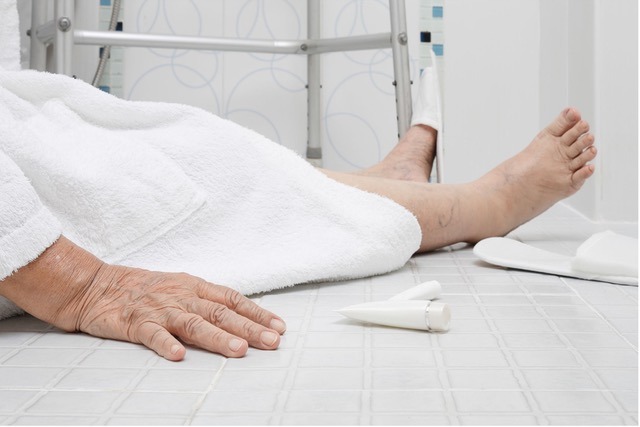
Bathrooms are already the most dangerous room in the home for seniors. Add urination problems into the mix, and the risks multiply.
Slips and Falls
Even a small amount of urine on tile or vinyl flooring creates a serious fall hazard. For an aging man, a slip can lead to fractures, head injuries, or permanent loss of mobility. For caregivers, it means constant monitoring and cleanup to prevent accidents.
Ongoing Hygiene Issues
Urine that misses the toilet doesn’t just disappear. It seeps into grout, mats, and baseboards. Over time, odor builds up and bacteria spreads. No amount of air freshener fixes the root cause.
This is where toileting challenges for seniors start affecting the entire household or facility, not just the individual.
Urination problems are deeply personal. Many older men feel embarrassed or ashamed when they can’t keep the bathroom clean. They may apologize repeatedly or try to hide accidents.
Some men respond by limiting how much they drink, which increases the risk of dehydration, urinary tract infections, and kidney problems. Others avoid using shared bathrooms altogether.
What often goes unspoken is the gradual loss of confidence. When a man no longer trusts himself to use the bathroom without making a mess, independence begins to slip away.
For caregivers, urination problems in aging men are exhausting in a different way.
In care facilities, these challenges increase labor costs and liability. In homes, they contribute to caregiver burnout and strained relationships.
Most caregivers aren’t failing. They’re working with bathrooms that were never designed for aging bodies.
A common suggestion is for older men to sit down to urinate. While this works for some, it’s not a universal solution.
For many aging men, standing remains the safest and most familiar option. The challenge isn’t posture. It’s control.
Traditional incontinence solutions for elderly men focus on absorbing urine after it leaves the body. Pads, briefs, and disposable products play an important role, but they don’t address a key group of seniors who are continent yet struggling with aim and stability.
What’s missing is a solution that helps urine go where it’s supposed to go in the first place.
This is where assistive bathroom devices come in. Instead of asking men to change how they urinate, these tools adapt the toilet to the user.
The Urifunnel is designed to guide urine directly into the toilet bowl, turning a standard toilet into a more forgiving, urinal-like surface.
For aging men, this means:
For caregivers and facilities, it means fewer messes, less cleaning, and lower risk of falls related to wet surfaces.
The value isn’t just convenience. It’s prevention.
One of the biggest factors determining whether a senior can remain at home is bathroom independence. Families may tolerate many limitations, but frequent bathroom accidents often trigger the move to assisted living.
Addressing urination problems early can extend the ability to age in place by months or even years. Small changes in the bathroom can have an outsized impact on daily life.
In assisted living, nursing homes, and hospitals, the same issues appear on a larger scale.
Solutions that reduce cleanup and improve consistency benefit both residents and staff. They also improve the overall perception of cleanliness for visiting families.
Dignity in senior care isn’t about perfection. It’s about reducing unnecessary dependence.
When aging men can use the bathroom without embarrassment, apology, or supervision, they retain a sense of control over their lives. That matters just as much as physical safety.
Caregivers benefit emotionally as well. Fewer accidents mean fewer tense moments and more time spent on meaningful interactions.
Urination problems in aging men are common, but they don’t have to be accepted as inevitable. Many of the challenges come down to outdated bathroom design and lack of awareness, not unavoidable decline.
By recognizing the issue early and choosing practical solutions, families and care facilities can improve hygiene, safety, and independence all at once.
For now, the takeaway is simple – Contact us today and we can help you design a bathroom that works with aging bodies instead of against them. When we do this, everyone’s quality of life improves.
1. What causes urination problems in aging men?
Urination problems in aging men are often caused by changes in balance, mobility, vision, and coordination rather than loss of bladder control. Conditions like arthritis, Parkinson’s disease, stroke, or recovery from surgery can make it harder to stand steadily or aim accurately at a standard toilet, leading to hygiene and safety issues.
2. Are urination problems the same as incontinence?
Not always. Many older men remain continent but struggle with directing urine into the toilet. This is why traditional incontinence solutions like pads or briefs don’t always help. The issue is often control and positioning, not bladder leakage.
3. Why are bathroom accidents such a serious concern for seniors?
Even small amounts of urine on the floor can create a major fall risk for seniors. Wet surfaces increase the chance of slips, which can result in serious injuries. Ongoing messes also lead to hygiene problems, odor, and increased stress for both seniors and caregivers.
4. Should older men sit down to urinate instead of standing?
Sitting works for some men, but it’s not ideal for everyone. Sitting and standing can be painful after joint replacement or difficult for those with balance issues. Many aging men feel safer standing but need help directing urine cleanly into the toilet.
5. How can caregivers reduce mess and improve bathroom safety?
Improving bathroom safety often means adapting the environment instead of forcing the person to change. Assistive devices like Urifunnel help guide urine into the toilet, reducing floor mess, cleanup time, and fall risk while supporting independence and dignity.

Copyright © 2026 Urifunnel - All Rights Reserved - Protected by Registered US Patent # 9,139,995
